ARTICLE | AI + BRAND STRATEGY
Building a Visual Language for AI: How to Keep Your Brand Unmistakable in a World of Generic Images
Author:
Stella Maria Sorg
AI Marketing Strategist
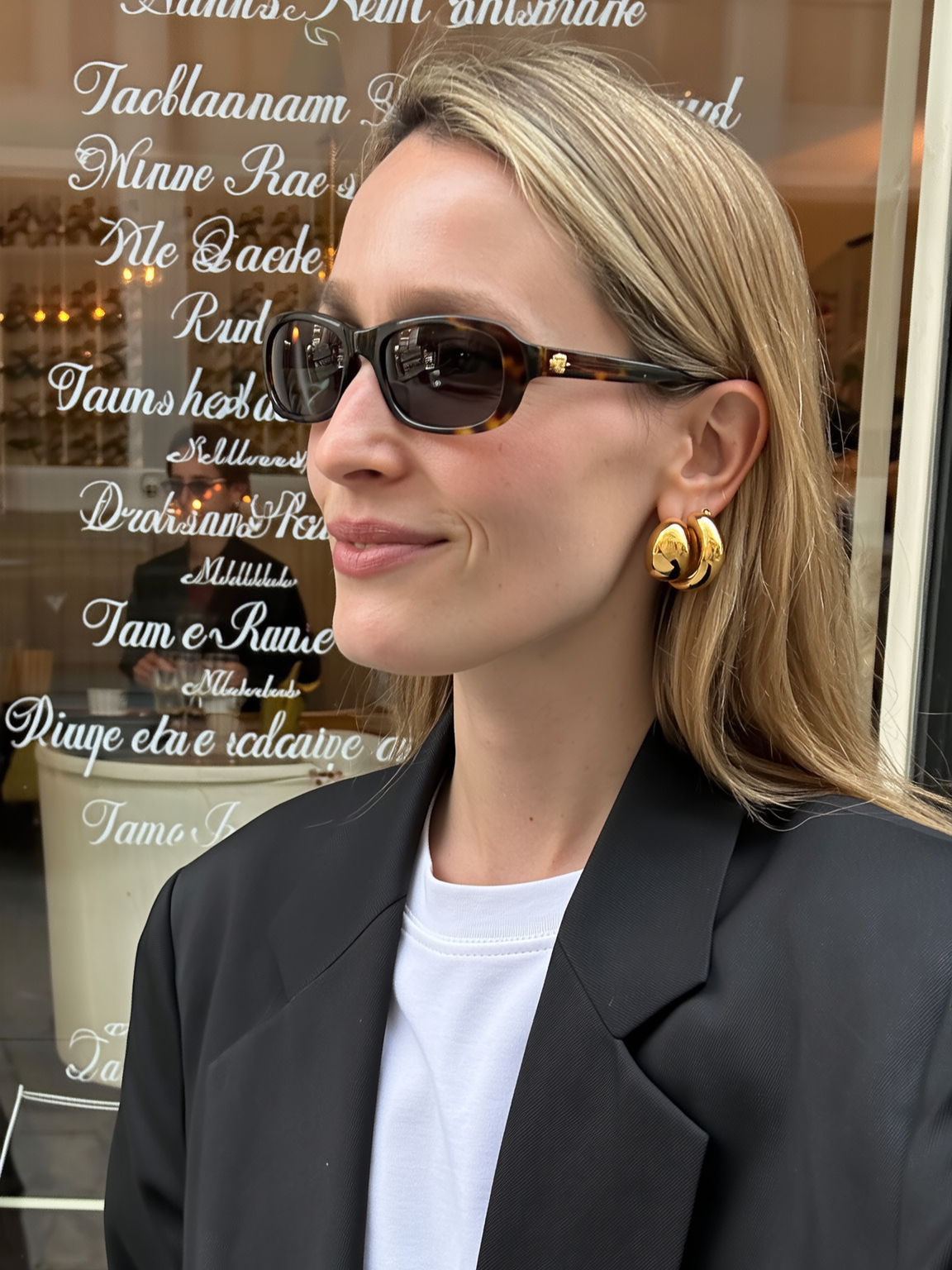
Everyone's using AI to create visuals. But most of those visuals could belong to anyone. Here's the system to make yours unmistakably yours.
The Problem: Beautiful Chaos
Your marketing team generates twenty social graphics in an afternoon. Your founder creates LinkedIn visuals during their commute. Sales whips up one-pagers before a pitch. The images are polished, well-composed, aesthetically pleasing — and they could belong to literally any company on the internet.
This is the paradox of AI-generated visuals in 2026: everyone now has access to stunning imagery, and that's precisely what makes it worthless as a brand asset. When every company pulls from the same default AI aesthetics (soft gradients, floating 3D objects, vaguely corporate people smiling at laptops) nobody's visuals stand out. Your "brand content" becomes background noise.
The cost goes beyond aesthetics. Inconsistent visuals fragment your brand, reduce recall, and erode the trust you've spent years building. And the problem compounds: when different team members prompt differently, your carousels, ads, blog headers, and social posts each carry a slightly different visual DNA. The audience never forms a cohesive picture of who you are.
The irony? The tool that was supposed to make branded content creation faster is actually creating more rework. Designers spend hours recoloring outputs, adjusting typography, re-framing compositions. Many report it would have been quicker to design from scratch, which breeds frustration and resistance to AI altogether.
Sound familiar?
Grab the free AI Brand Image Guide to prepare your brand.


What "Visual Language for AI"
Actually Means
You already have a brand identity. You probably have a brand book (colors, fonts, logo usage, maybe a moodboard). The problem isn't that these guidelines don't exist. The problem is that they were written for humans, not for AI models.
A visual language for AI takes everything that makes your brand recognizable, your color palette, your typography style, your photographic or illustrative approach, the mood and lighting, the composition patterns and translates those into structured, machine-readable inputs. Think of it as turning your brand book into a recipe that any AI tool can follow consistently.
Brand guidelines say "warm and approachable." AI needs "golden-hour directional lighting, 35mm lens, shallow depth of field, warm amber and terracotta tones, #D4845A primary, documentary realism."
This is the gap most teams fall into. They open Midjourney or Nano Banana, type a rough description of what they want, and hope the output "feels like the brand." It never does — because AI models have no memory of your brand. Every prompt starts from zero unless you build a system that feeds your brand DNA into every single generation.
Before you think about prompts or tools, you need clarity on four strategic foundations. These are the four pillars that separate generic AI content from editorial-quality visuals in your brand's style. Only once these foundations are clear can you move to the practical step: building a creative vocabulary that bridges what your brand feels like and what AI can actually produce.
Define your brand's visual vocabulary in 15 minutes
Our free guide walks you through the 4 strategic pillars and 5 character dimensions to make your brand AI-ready.
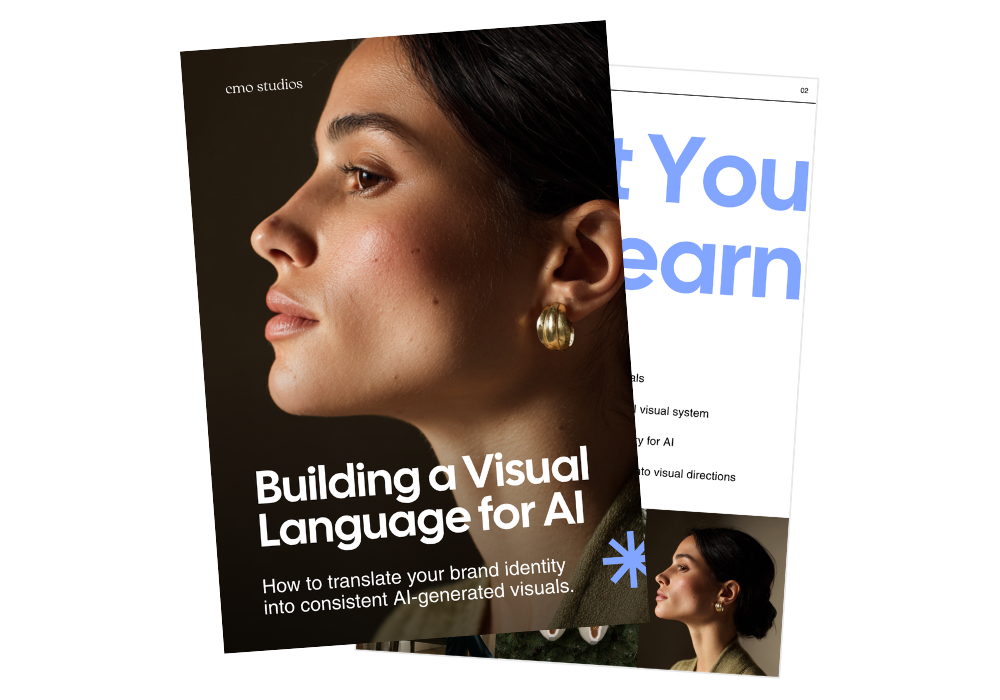
Then use our
interactive GPT
This Brand Visual Translator GPT turns your answers into AI-ready keywords and prompt blocks personalized for your brand.